401k Summary Plan Description Template is the backbone of a transparent, compliant retirement plan that empowers participants to understand benefits, rights, and responsibilities. By following a proven template, employers can draft a clear, concise, and legally sound document that meets ERISA, IRS, and Department of Labor requirements while avoiding costly penalties.
What is a 401k Summary Plan Description?
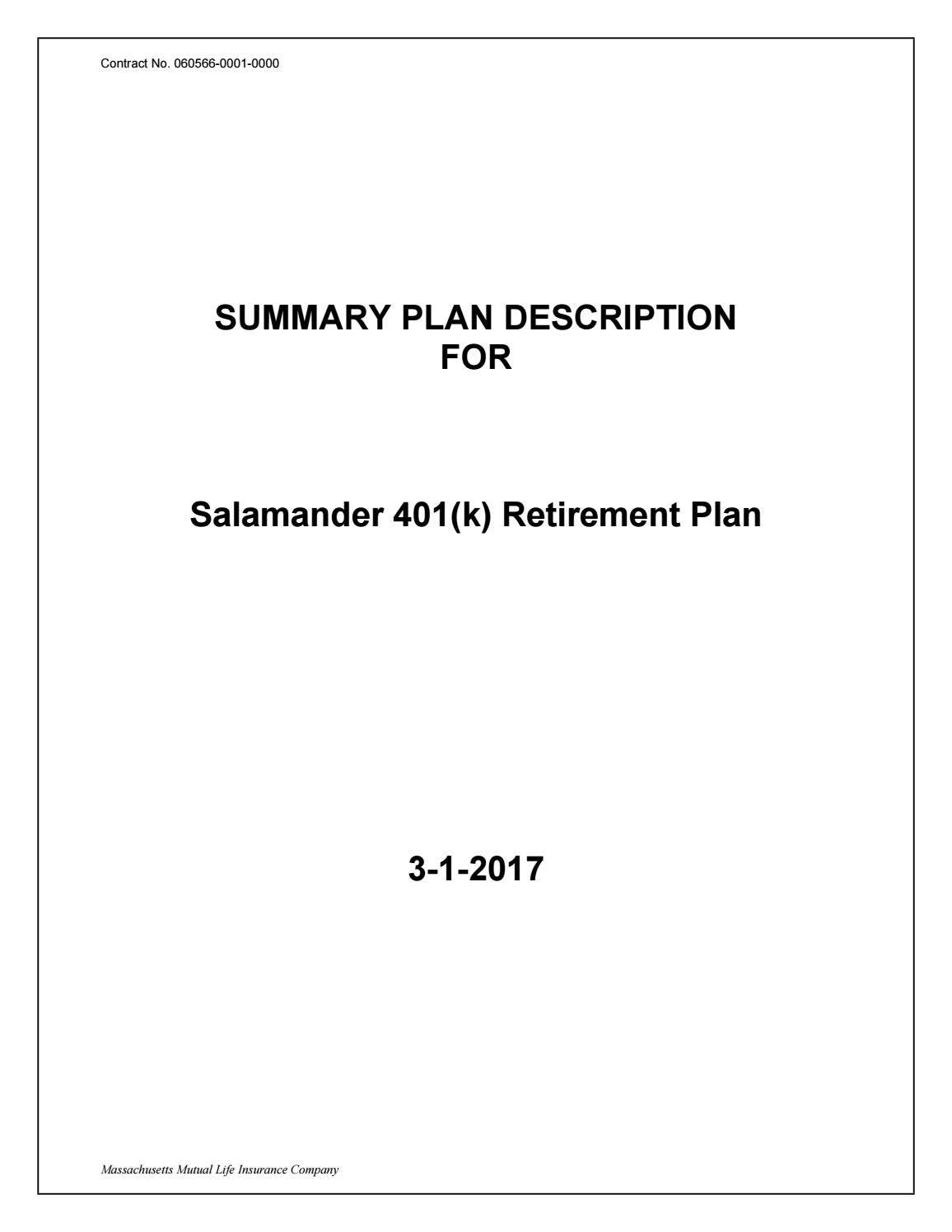
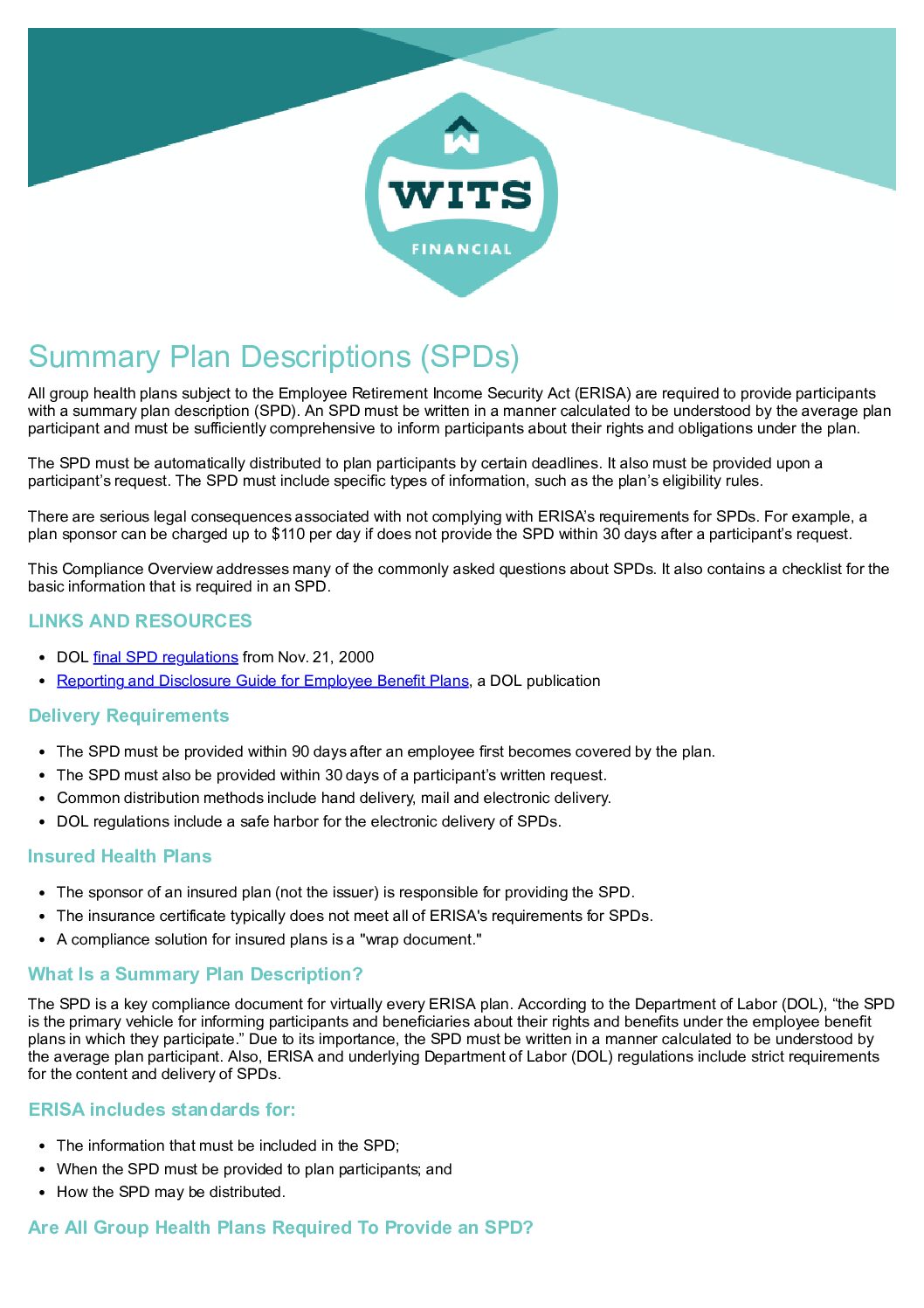
A Summary Plan Description (SPD) is a written statement that explains a pension or retirement plan in plain language. For a 401(k), it details eligibility, contributions, vesting, distributions, and plan administration. The SPD must be furnished to every participant and prospective employee before they enroll, and refreshed annually to reflect changes.
Purpose of the SPD
- Educates participants about how the plan works.
- Reduces plan litigation by providing clear, standardized information.
- Demonstrates fiduciary responsibility and regulatory compliance.
Legal Foundations
Under the Employee Retirement Income Security Act (ERISA), employers must provide an SPD within 60 days of plan adoption and whenever significant changes occur. The Internal Revenue Service (IRS) requires that the SPD be written at a 7th- to 8th-grade reading level to ensure accessibility.
Why You Need a Template
Creating an SPD from scratch is time-consuming and risky. A ready-to-use 401k Summary Plan Description Template provides structure, reduces errors, and ensures all mandatory sections are covered. It saves legal counsel hours, minimizes the risk of non‑compliance fines, and builds trust with employees.
Consistency Across Companies
When multiple organizations adopt the same template, they can tailor only the specific plan details—such as contribution limits, vesting schedules, or investment options—while keeping the core legal language unchanged.
Scalability for Growth
As businesses expand, the SPD must evolve to reflect new benefit offerings or regulatory updates. A template allows quick revisions without re‑creating the entire document.
Core Elements of a 401k Summary Plan Description
Below are the essential sections that every SPD must contain. Each element is vital for legal compliance and participant clarity.
Plan Overview
This introductory section summarizes the plan’s purpose, legal name, and governing document. It also states the plan’s effective date and the sponsoring employer.
Eligibility and Enrollment
- Eligibility criteria: age, length of service, and job classification.
- Enrollment periods and how participants can join.
- Information on deferral elections and required contribution percentages.
Contribution Rules
Detail employee and employer contributions, including:
- Maximum annual deferral limits set by the IRS.
- Matching formulas or profit‑sharing contributions.
- Optional after‑tax or Roth contributions.
Vesting Schedule
Explain the time‑based or service‑based ownership of employer contributions. Provide a sample vesting chart and explain what happens if an employee leaves before full vesting.
Investment Choices
List available investment options, such as target‑date funds, index funds, and active funds. Include brief descriptions of risk levels and the role of the plan’s fiduciary in selecting these choices.
Withdrawals and Distributions
Clarify when participants may access funds, the types of distributions (regular, lump‑sum, hardship), and any associated penalties or tax implications. Describe the required minimum distribution (RMD) rules beginning at age 73.
Plan Administration
Outline the roles of the plan administrator, fiduciary duties, and the process for addressing grievances. Include contact information for the plan sponsor’s HR or benefits department.
Changes to the Plan
Explain how the plan may change, how participants will be notified, and the process for updating the SPD.
Step‑by‑Step Guide to Drafting Your Template
Follow these practical steps to build or customize a 401k SPD that is clear, compliant, and engaging.
Select a Clean, Readable Layout
Use headings, subheadings, bullet points, and tables to break information into digestible chunks. Avoid dense legalese and prioritize plain language.
Insert Company‑Specific Information
- Replace placeholders with actual dates, contribution percentages, and vesting schedules.
- Add logos or corporate branding to give the SPD a professional look.
Review Legal Requirements
Cross‑check each section against ERISA and IRS guidelines. Ensure that:
- All statutory limits (e.g., $22,500 elective deferral for 2024) are included.
- The document meets the 8th‑grade reading level criterion.
- There are no ambiguous terms that could mislead participants.
Seek Legal Review
Even with a template, have a qualified benefits attorney or compliance specialist review the final SPD. This step verifies that the document satisfies all legal nuances and custom plan features.
Distribute and Archive
Deliver the SPD to every employee in both digital and print formats. Store copies in a secure, searchable database for audit purposes and ensure that updated versions replace old ones promptly.
Common Pitfalls to Avoid
Even experienced HR professionals can stumble over these mistakes, which can lead to compliance headaches or participant confusion.
Overloading the Document
Too much jargon or unnecessary detail can overwhelm participants. Keep language straightforward and focus on essential facts.
Failing to Update
Regulations change annually. Neglecting to refresh the SPD within 60 days of any significant plan modification exposes the company to penalties.
Inaccurate Figures
Using outdated contribution limits or incorrect vesting schedules can create misinformation, leading to employee dissatisfaction and potential litigation.
Missing Participant Rights
Omitting information about the participant’s right to request a plan summary or to file a grievance under ERISA erodes trust and violates federal statutes.
Real‑World Example: A Mid‑Sized Tech Company
TechNova, a 350‑employee software firm, adopted the standard 401k Summary Plan Description Template and tailored it to reflect its unique matching formula: a 50% match on the first 6% of employee contributions. By customizing the “Contribution Rules” section, they clarified that the employer match would be fully vested after three years of service.
Implementation Steps
- HR gathered current plan data and inputted it into the template.
- The legal team reviewed the document for accuracy.
- TechNova used an employee portal to deliver the SPD electronically, with a printable PDF for those who requested paper.
- A quarterly audit was scheduled to verify compliance with ERISA’s 60‑day update rule.
As a result, employee surveys indicated a 15% increase in plan participation within the first year, thanks to the SPD’s clarity and accessibility.
Updating and Maintaining Your Summary Plan Description

Compliance is a moving target. Regular maintenance of the SPD ensures it remains a reliable resource.
Annual Review Schedule
- At the start of each calendar year, compare the SPD’s contribution limits to IRS updates.
- Adjust any investment option descriptions if the plan provider offers new funds.
- Confirm that the plan’s administrative contact information remains current.
Change Notification Protocol
When a substantive plan change occurs—such as a new vesting schedule—issue a “Plan Change Notice” and immediately update the SPD. Notify employees within 30 days and provide a revised copy.
Archiving Historical Versions
Keep a log of all SPD versions in a secure file cabinet or cloud storage. This log aids auditors and serves as evidence of ongoing compliance.
Leveraging Digital Tools for Compliance

Modern benefits platforms offer automated SPD generation, integration with employee portals, and real‑time updates. These tools can:
- Automatically insert current IRS limits.
- Provide a reading level check to guarantee plain language.
- Track when each employee has accessed the SPD, satisfying ERISA’s “distribution” requirement.
Choosing the Right Software
Look for platforms that support customizable templates, secure document management, and compliance reporting. Some solutions also allow integration with third‑party investment advisors to keep asset choices up to date.
Final Thoughts
A well‑crafted 401k Summary Plan Description Template is more than a regulatory checkbox; it is a cornerstone of employee trust and engagement. By following the structure and guidelines outlined above, companies can produce a document that is compliant, clear, and actionable. Regular updates, proactive legal review, and thoughtful dissemination will ensure that the SPD continues to serve its purpose—educating participants and safeguarding the plan’s integrity for years to come.