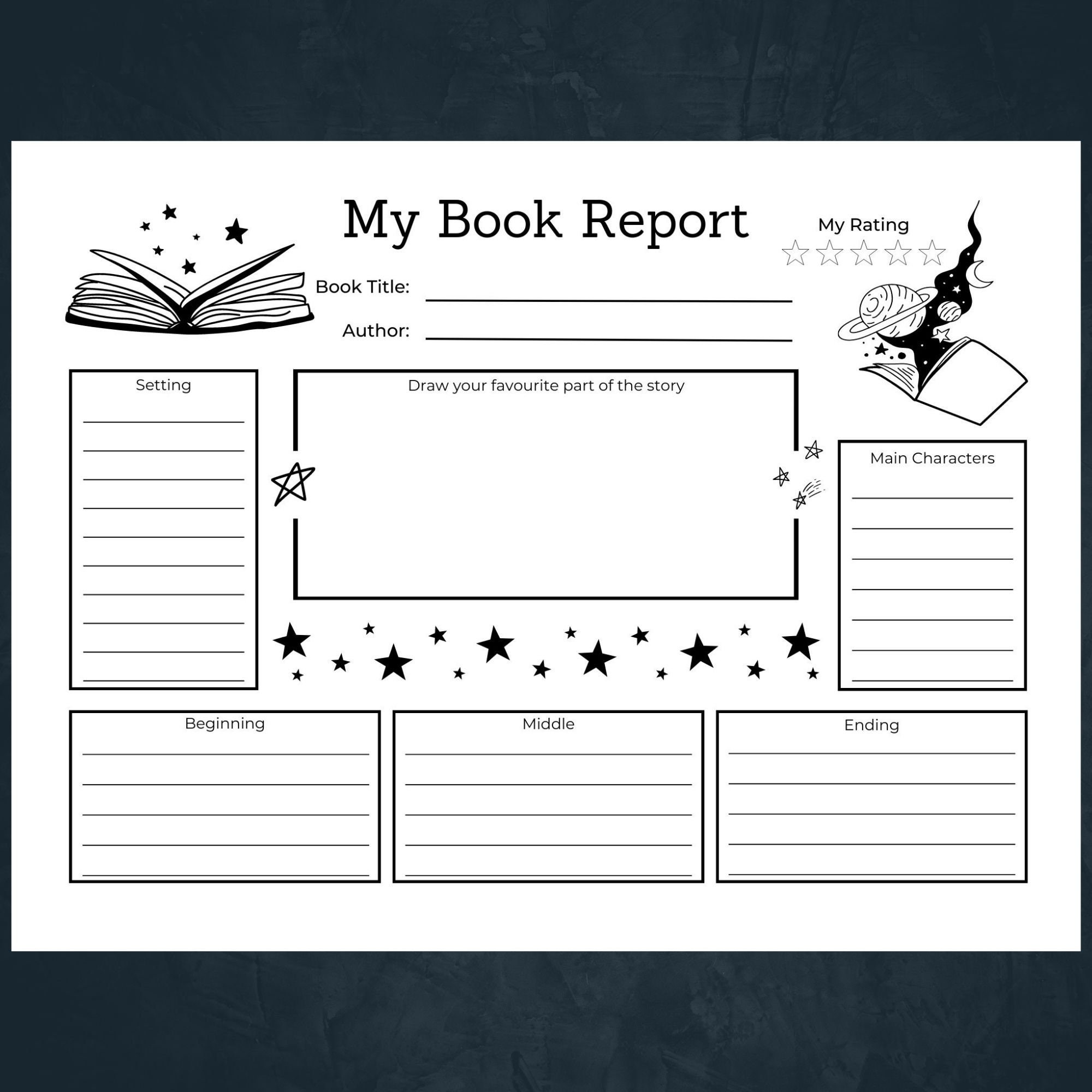
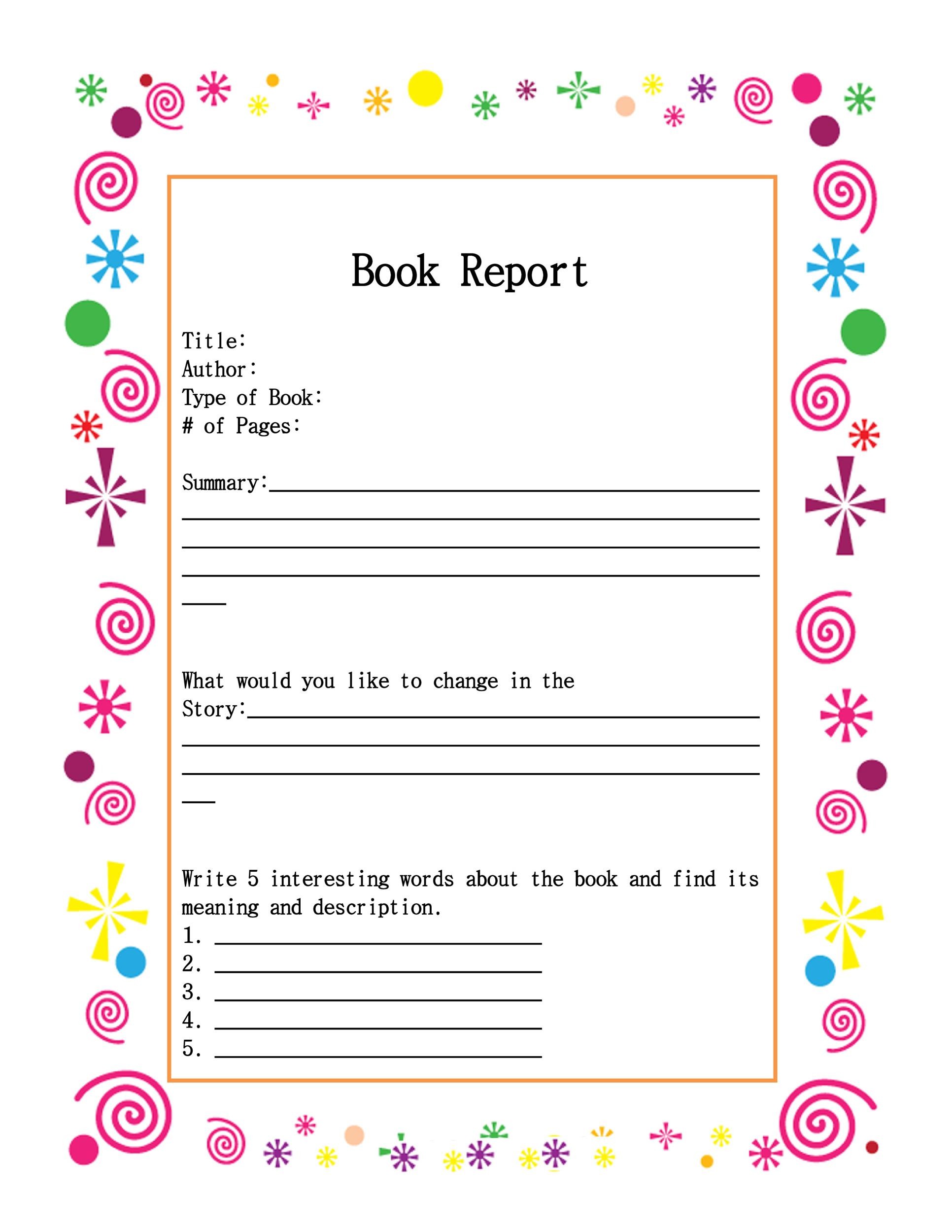
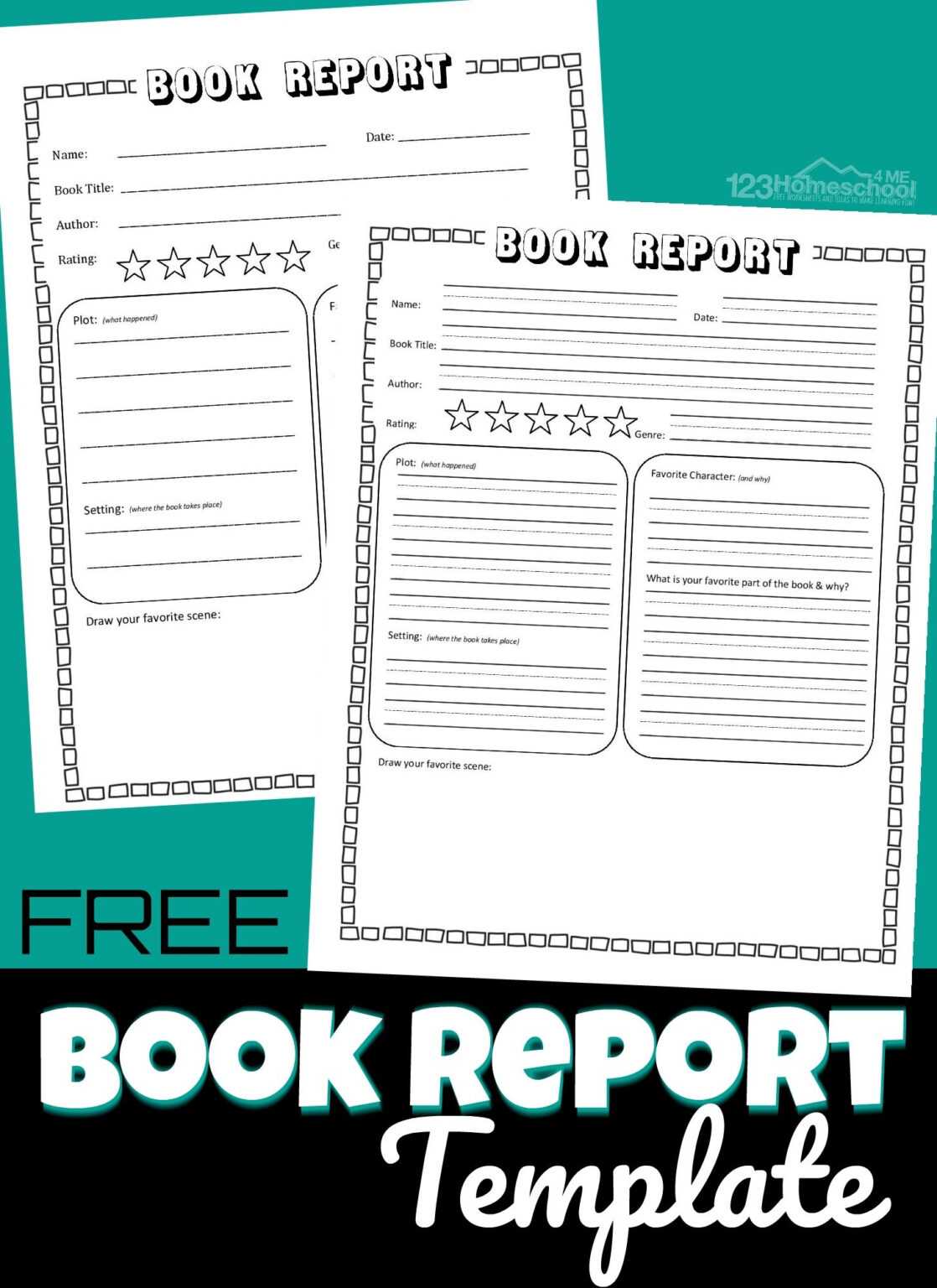
2nd Grade Book Report Template is more than a printable worksheet; it is a strategic tool that transforms a simple reading assignment into a meaningful learning experience for young readers. By providing structure, clear expectations, and a consistent format, a well‑designed template helps second‑graders develop critical thinking, comprehension, and communication skills while fostering a love of literature. This article explores every facet of an effective 2nd Grade Book Report Template, from essential components and customization tips to classroom implementation strategies and real‑world examples, ensuring educators and parents can confidently guide students toward successful, engaging book reports.
Why Use a Book Report Template in 2nd Grade

Benefits for Students
Second‑grade learners are at a pivotal stage where they transition from decoding text to extracting meaning. A book report template offers a scaffolded approach that reduces anxiety, clarifies expectations, and encourages independent expression. By breaking the task into manageable sections—such as title, main characters, and personal reflection—students can focus on one element at a time, which promotes deeper comprehension and stronger writing habits.
Additionally, the repetitive use of a consistent template builds procedural memory. As children complete multiple reports, they internalize the sequence of literary analysis, making it easier to transfer those skills to more complex texts in later grades.
Benefits for Teachers
Teachers gain a reliable assessment tool that aligns with Common Core standards for reading literature and writing. The template provides a quick visual checklist for grading, allowing educators to assess comprehension, vocabulary usage, and critical thinking in a systematic way. Moreover, a uniform format simplifies data collection for progress monitoring and facilitates targeted feedback for each student.
From a classroom management perspective, the template reduces the time spent explaining the assignment. Instead of revisiting instructions repeatedly, teachers can devote valuable minutes to guided reading, one‑on‑one conferencing, and enrichment activities.
Key Elements of an Effective 2nd Grade Book Report Template
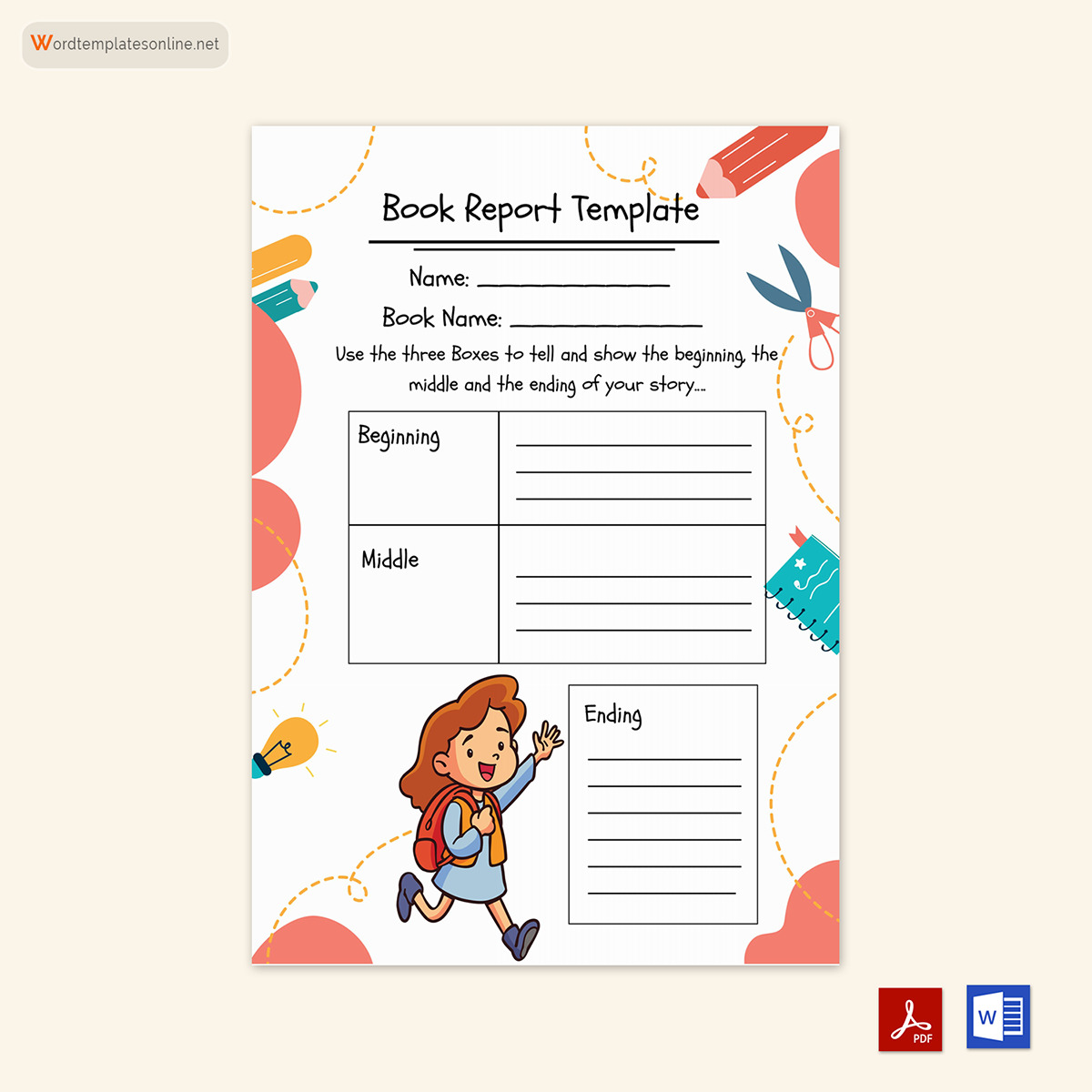
Title and Author
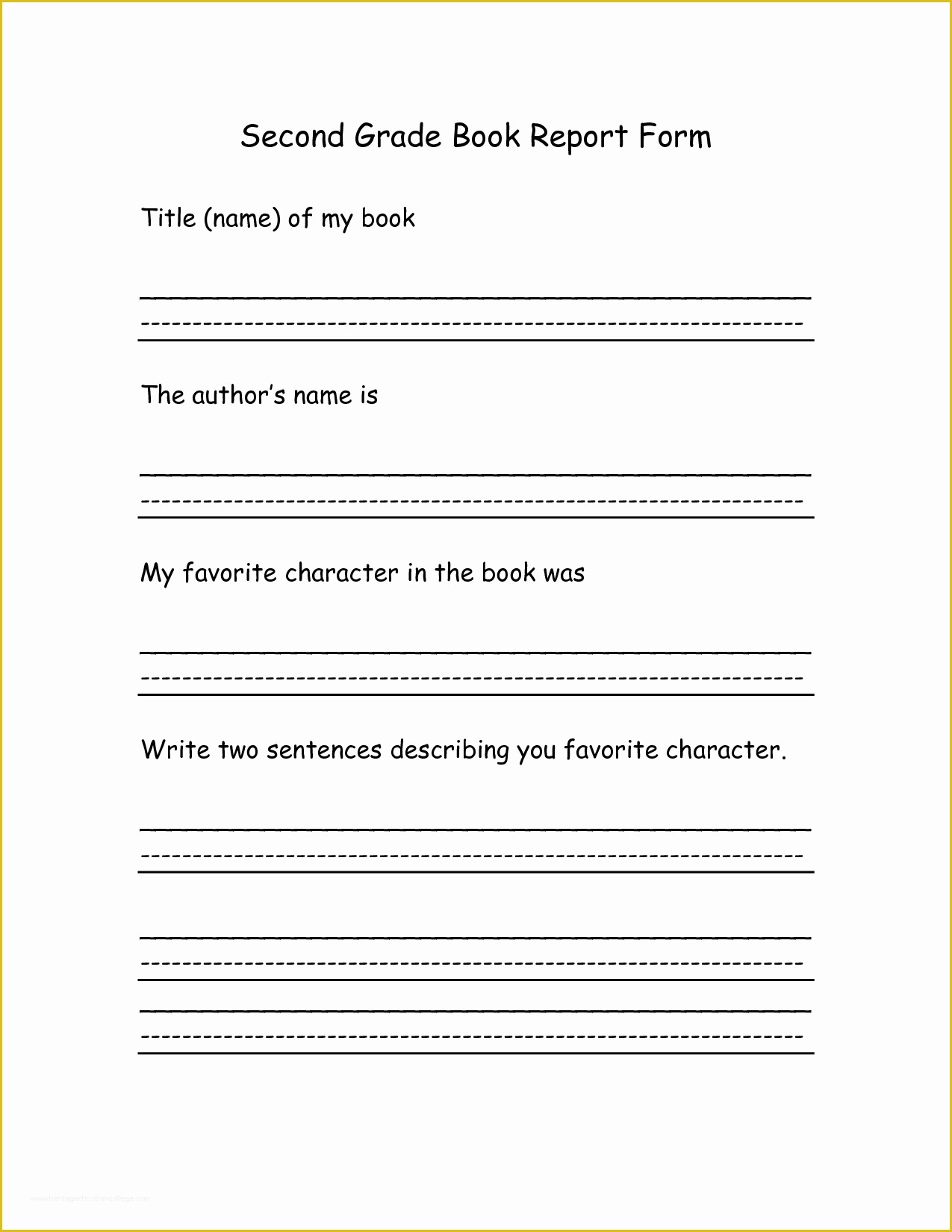
Begin with a straightforward field for the book’s title and author. This reinforces proper citation habits early on and encourages students to locate bibliographic information on the cover page.
Illustrations and Cover Art
Including a small space for students to draw or paste the book’s cover helps visual learners connect the story’s visual cues with its narrative. It also sparks excitement and a personal connection to the material.
Main Characters
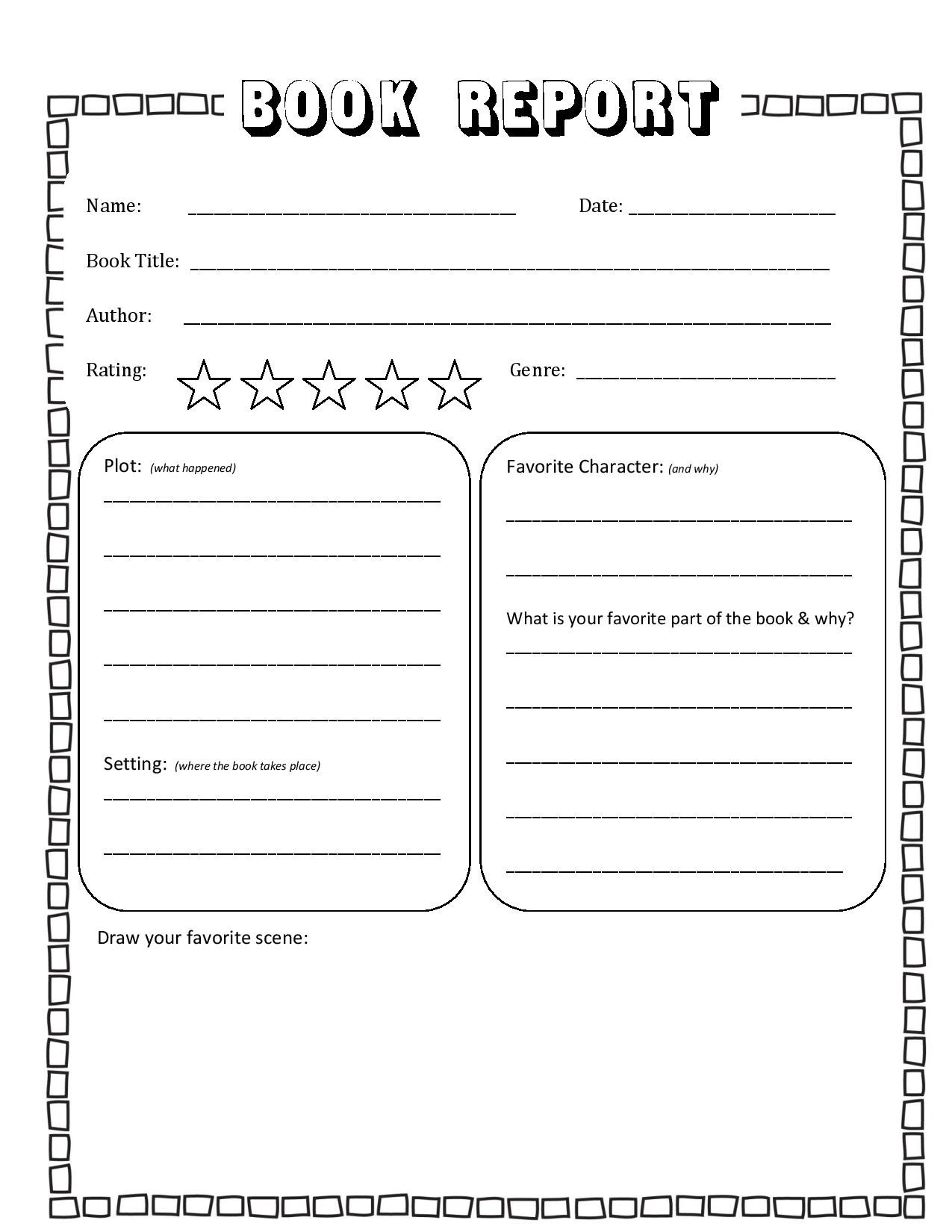
A brief table or bullet list where students can write the names of key characters and a single descriptive word or phrase for each. This exercise sharpens identification skills and supports character analysis.
Setting
Prompt children to describe where and when the story takes place. A sentence starter like “The story happens in ___ during ___” guides them to consider time, place, and atmosphere.
Plot Summary
Offer a three‑sentence structure: beginning, middle, and end. This simple scaffold teaches sequencing and narrative flow without overwhelming a young writer.
Favorite Part
Ask students to highlight a specific moment they enjoyed and explain why. This encourages personal engagement and helps teachers gauge which elements of the story resonated most with the class.
New Vocabulary
Provide a two‑column table for “Word” and “What It Means.” This reinforces word‑learning strategies and expands a child’s language repertoire.
Personal Reflection
Include a prompt such as “Would you recommend this book? Why or why not?” This nurtures opinion writing and supports the development of persuasive language.
Rating System
A simple 1‑to‑5 star rating, illustrated with smiley faces or stars, allows students to quantify their enjoyment while practicing symbolic representation.
How to Customize the Template for Different Learners

Visual Learners
Incorporate color‑coded sections, icons, and space for drawings. Visual cues help these students process information quickly and retain details.
Auditory Learners
Offer an optional audio recording component where students can verbally describe the main characters or plot before transferring ideas to paper. This dual‑modality approach reinforces comprehension.
Kinesthetic Learners
Use manipulatives such as magnetic story boards or cut‑out character pieces that students can arrange in sequence. After arranging, they transfer the story order onto the template.
Struggling Readers
Provide sentence starters, word banks, and simplified vocabulary lists. Pair the template with guided reading sessions to model each section before independent work.
Advanced Readers
Allow optional extensions like “Compare this book to another story” or “Identify the problem and solution.” These challenges keep high‑achieving students engaged without altering the core structure.
Step‑by‑Step Guide to Implementing the Template in the Classroom
1. Introduce the Template: Display a large, printed version on the board and walk through each section, modeling how to fill it out using a familiar story.
2. Read the Book Together: Conduct a read‑aloud or shared reading session, pausing to discuss characters, setting, and plot points that will later appear on the template.
3. Guided Practice: Provide a short, familiar text and have students complete the template in pairs. Circulate to offer immediate feedback and address misconceptions.
4. Independent Work: Assign the main book report as homework or a class activity, ensuring each student has a personal copy of the template.
5. Peer Review: Organize a “report gallery walk” where students exchange completed templates and leave positive comments on a sticky note. This reinforces constructive criticism and celebrates effort.
6. Assessment and Feedback: Use a rubric aligned with the template sections. Highlight strengths, such as clear character descriptions, and suggest improvements, like adding more detail to the setting.
7. Reflection: Conclude with a brief class discussion about what they enjoyed about the process and what could be tweaked for the next report. This meta‑cognitive step reinforces learning and informs future instruction.
Real‑World Example: Sample Completed Report

Below is an illustrative example of a completed 2nd Grade Book Report Template for the picture book “The Very Hungry Caterpillar.” The sample demonstrates how a young student can meet each requirement while expressing personal insight.
- Title: The Very Hungry Caterpillar
- Author: Eric Carle
- Illustrations: (Student draws a small caterpillar)
- Main Characters:
- Caterpillar – hungry
- Butterfly – beautiful
- Setting: The story takes place in a garden during spring.
- Plot Summary: A tiny caterpillar hatches, eats a lot of food each day, builds a cocoon, and finally becomes a butterfly.
- Favorite Part: I liked the part where the caterpillar ate a whole pizza because it was funny and I love pizza!
- New Vocabulary:
- Cocoon – a soft covering made by a caterpillar before it becomes a butterfly.
- Metamorphosis – the change from a caterpillar to a butterfly.
- Personal Reflection: I would recommend this book because the pictures are bright and the story shows how things can change.
- Rating: ★★★★★ (5 stars)
Tips for Parents Supporting the Book Report Process at Home

- Read the same book together and discuss each template section before the child starts writing.
- Create a quiet, well‑lit workspace with all needed supplies—paper, crayons, and a dictionary.
- Model the process by filling out a “parent version” of the template, showing how to think aloud while completing each part.
- Encourage the child to read the report aloud to a family member; this reinforces fluency and confidence.
- Celebrate the finished report with a small reward, such as a bookmark or extra reading time, to reinforce positive attitudes toward reading.
Common Mistakes to Avoid
- Overloading the Template: Adding too many sections can overwhelm second‑graders. Keep the core elements concise and optional extensions truly optional.
- Neglecting Visual Supports: Young learners benefit from icons, color blocks, and drawing spaces. Omitting these can reduce engagement.
- Providing Vague Prompts: Use clear, sentence‑starter prompts that guide the child toward specific responses.
- Skipping the Review Phase: Without peer or teacher feedback, students miss opportunities to refine their writing.
- Inconsistent Use: Switching templates mid‑year confuses students. Choose one format and use it consistently, adjusting only as needed for differentiation.
Frequently Asked Questions

How many pages should a 2nd Grade Book Report be?
Typically, one to two pages are sufficient. The goal is depth of thought, not length. Each template section should be completed with a sentence or two, allowing the report to remain manageable.
Can digital versions replace printed templates?
Yes, digital formats can be effective, especially when paired with interactive elements like drag‑and‑drop character icons. However, many young learners still benefit from tactile, paper‑based work for fine‑motor development.
What if a student cannot read the book independently?
Offer a teacher‑read or audio version, then allow the student to complete the template based on listening comprehension. Provide additional support through guided questions.
How often should students complete book reports?
Monthly book reports strike a balance between practice and novelty. This frequency aligns with typical classroom reading cycles and keeps the activity fresh.
Is a star rating appropriate for all students?
Star ratings are generally well‑received, but for students with special needs, consider alternative symbols such as smiley faces or colored circles to accommodate different preferences.
Conclusion
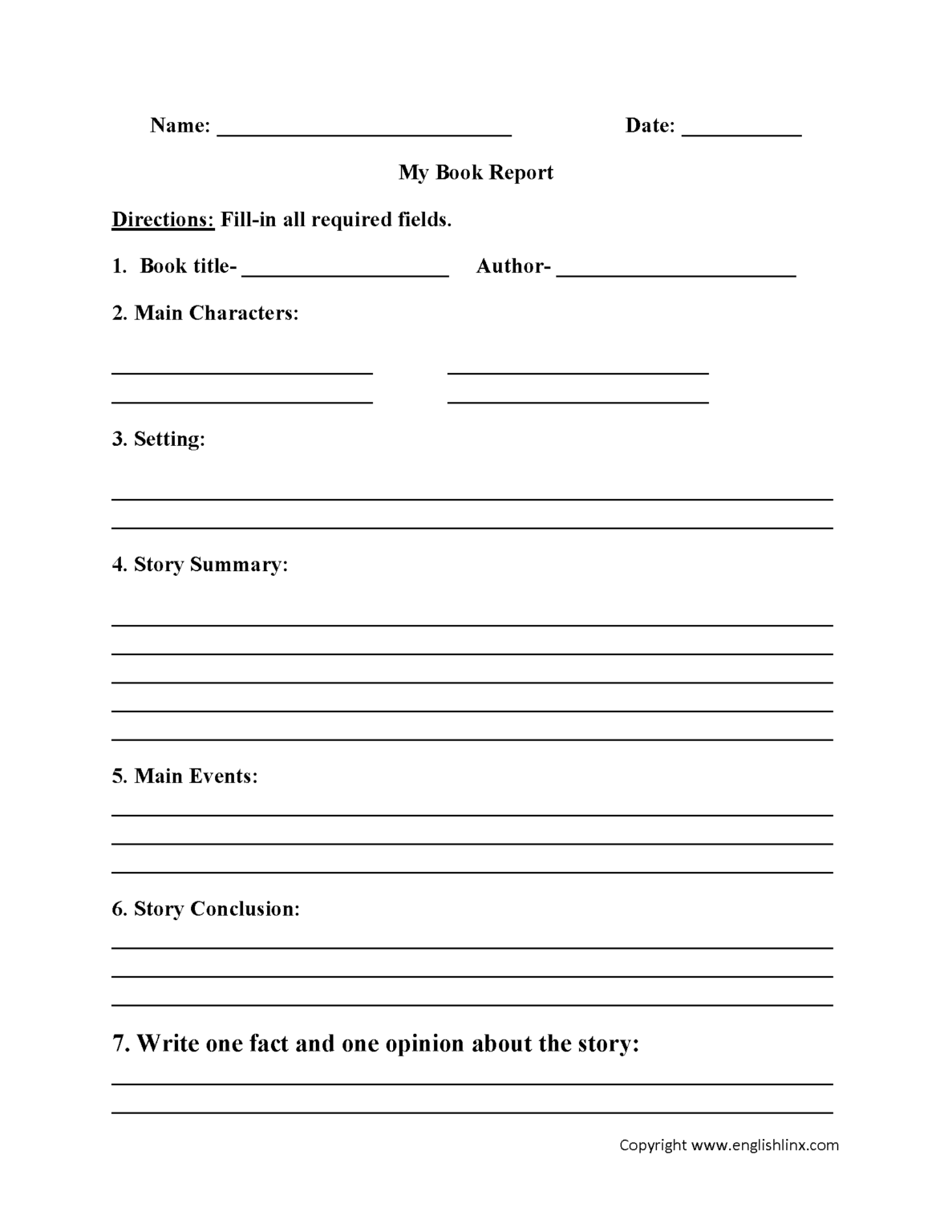
A thoughtfully designed 2nd Grade Book Report Template serves as a bridge between reading comprehension and expressive writing, empowering young learners to articulate their thoughts, expand vocabulary, and develop analytical skills. By incorporating essential elements—title, characters, setting, plot, favorite part, new words, reflection, and rating—while offering flexibility for visual, auditory, and kinesthetic learners, educators can deliver a differentiated experience that meets diverse needs. Implementing the template with clear instruction, guided practice, and constructive feedback ensures consistency and maximizes learning outcomes. Parents can reinforce these gains at home through collaborative reading and supportive feedback, creating a cohesive literacy ecosystem. Avoid common pitfalls such as over‑complication or inconsistent use, and maintain a focus on clear, purposeful prompts. When executed with intention, the 2nd Grade Book Report Template becomes more than a worksheet; it transforms reading into a purposeful, engaging, and confidence‑building journey that lays the foundation for lifelong literary appreciation.




Related posts of "2nd Grade Book Report Template"
