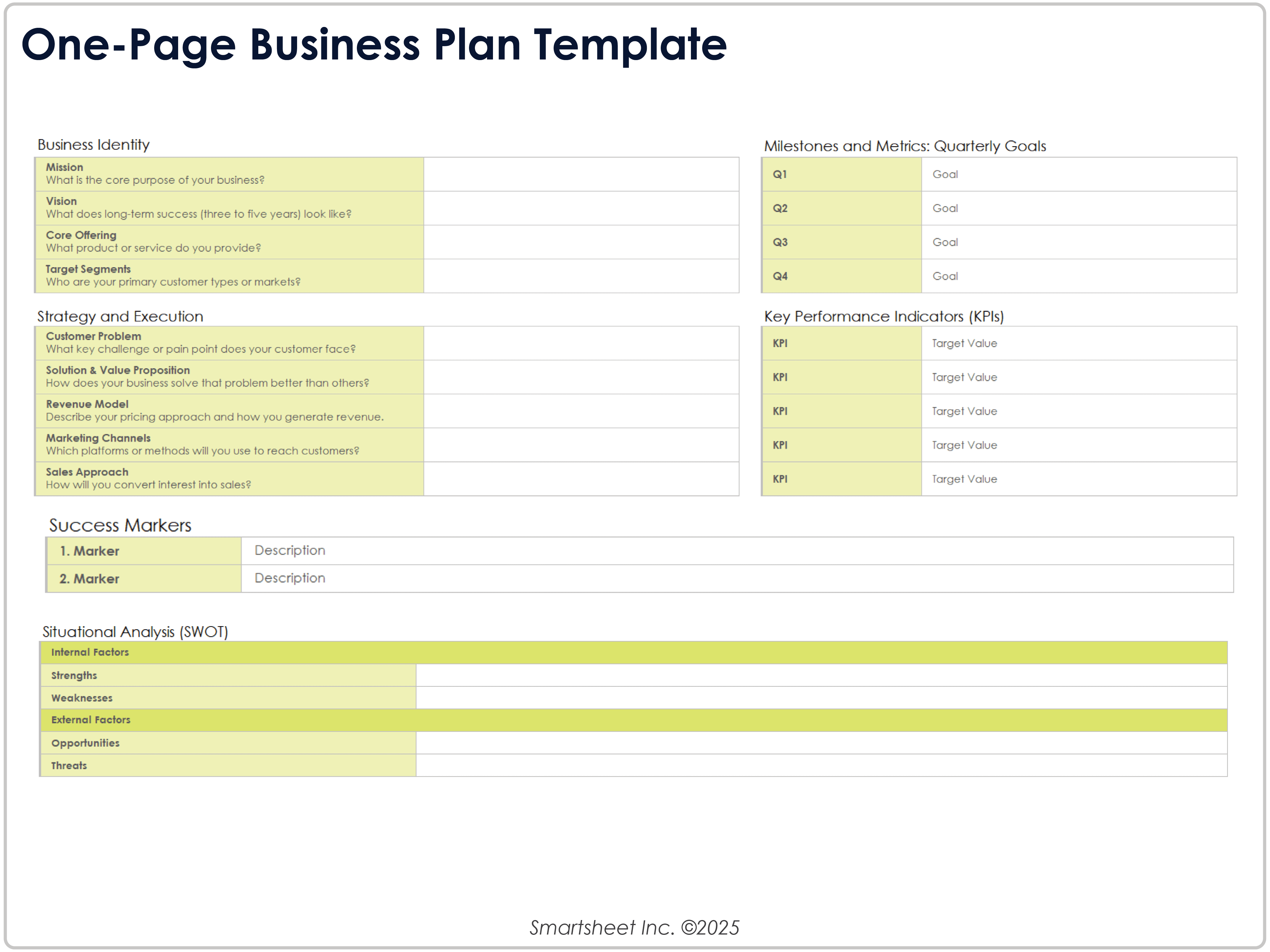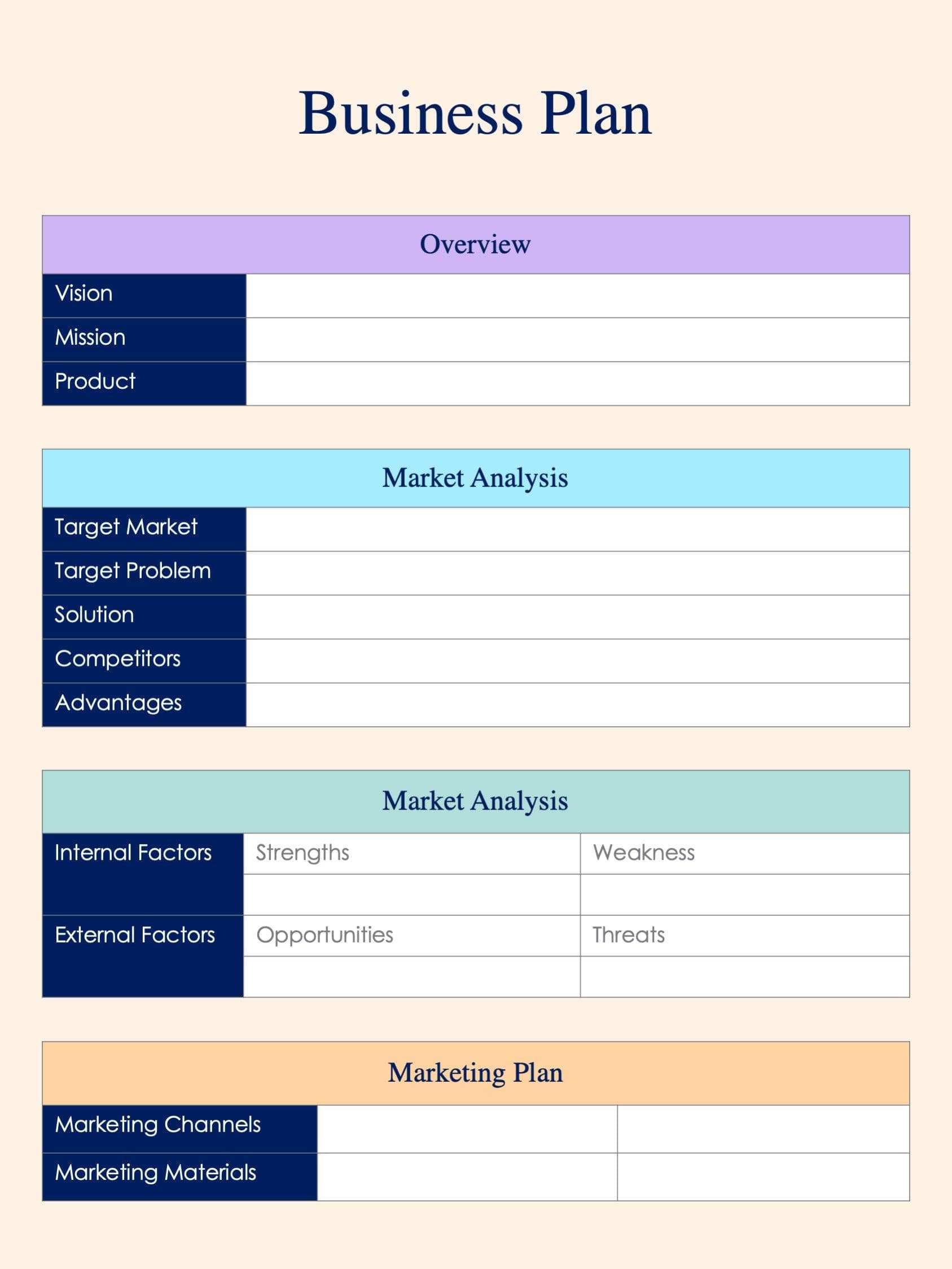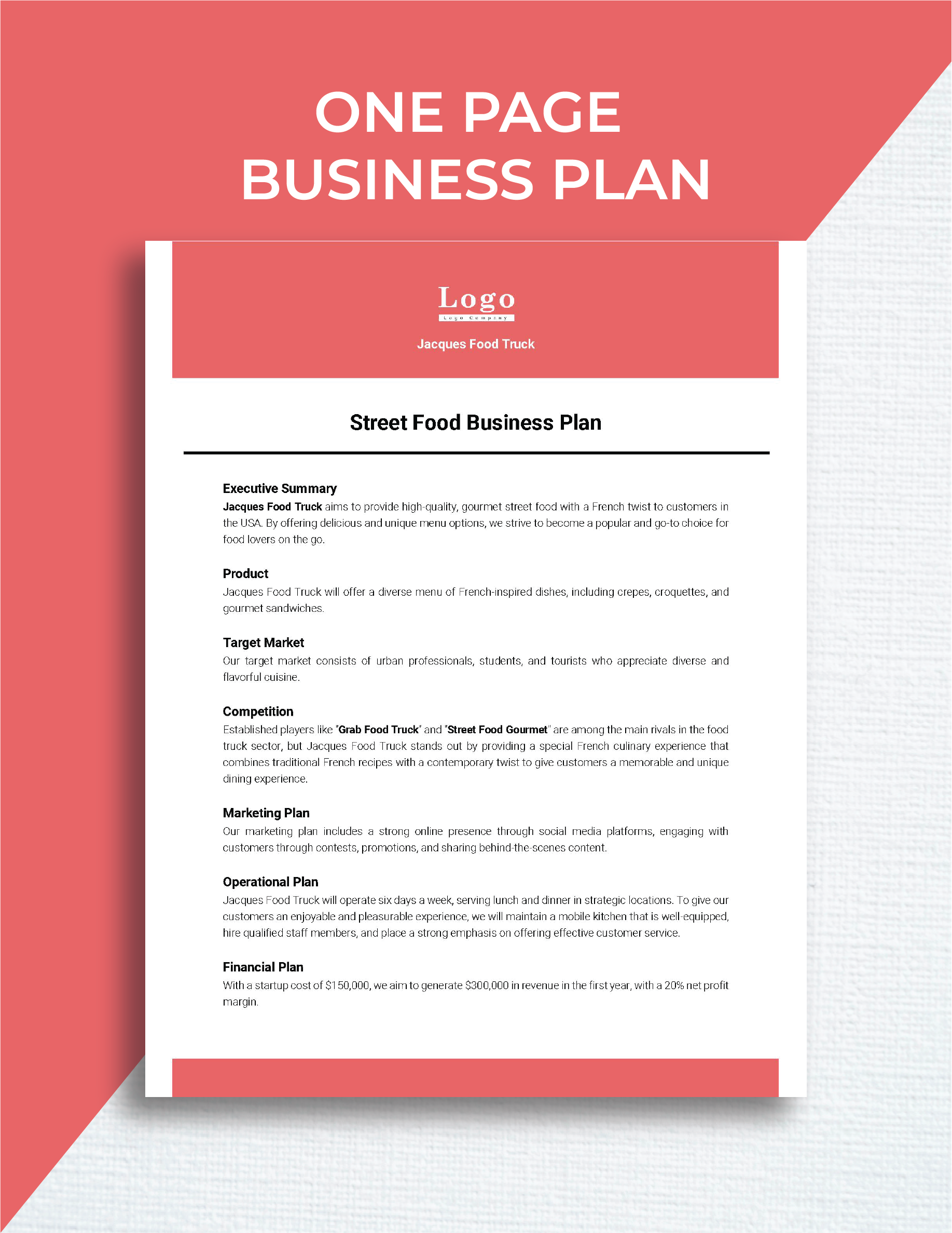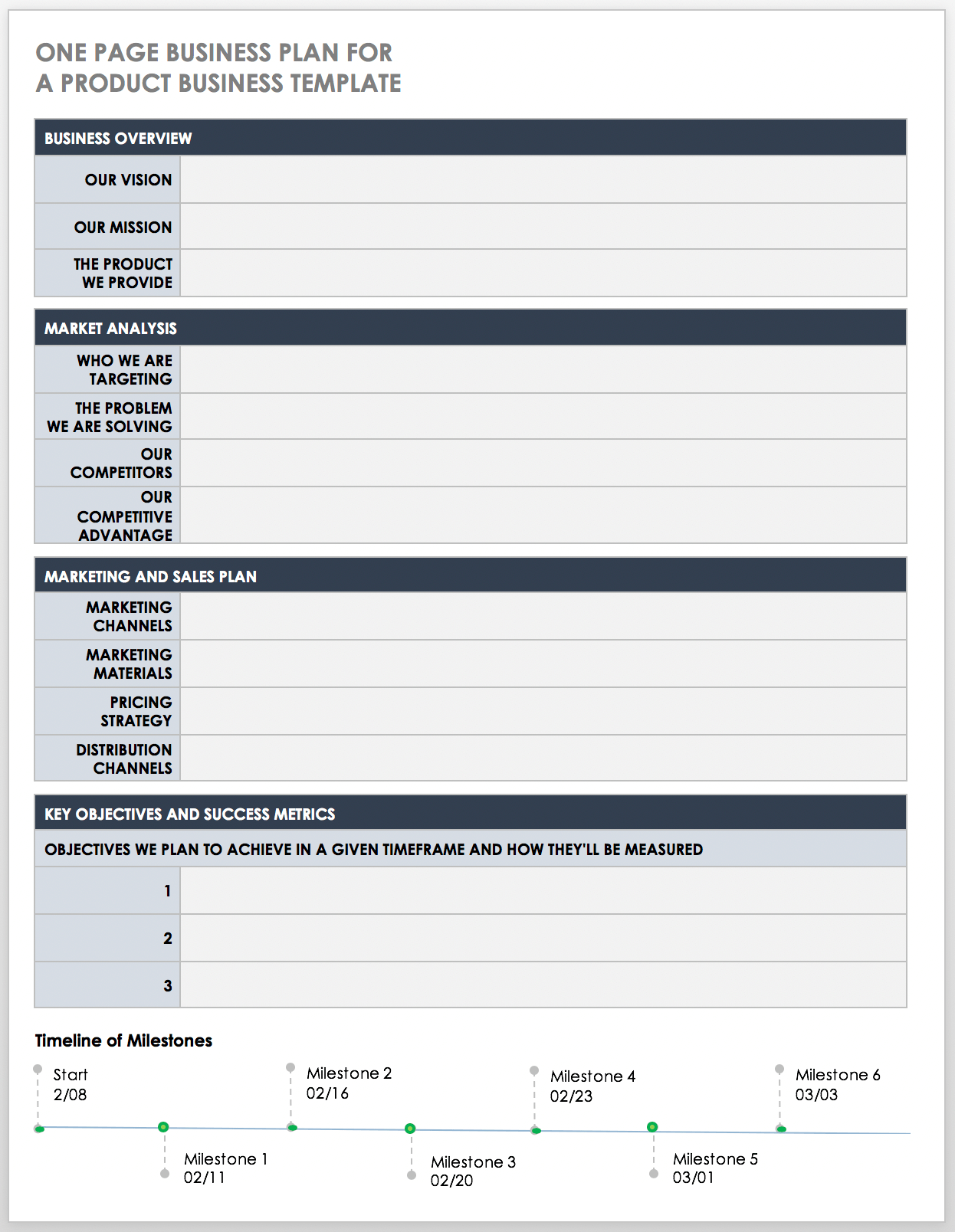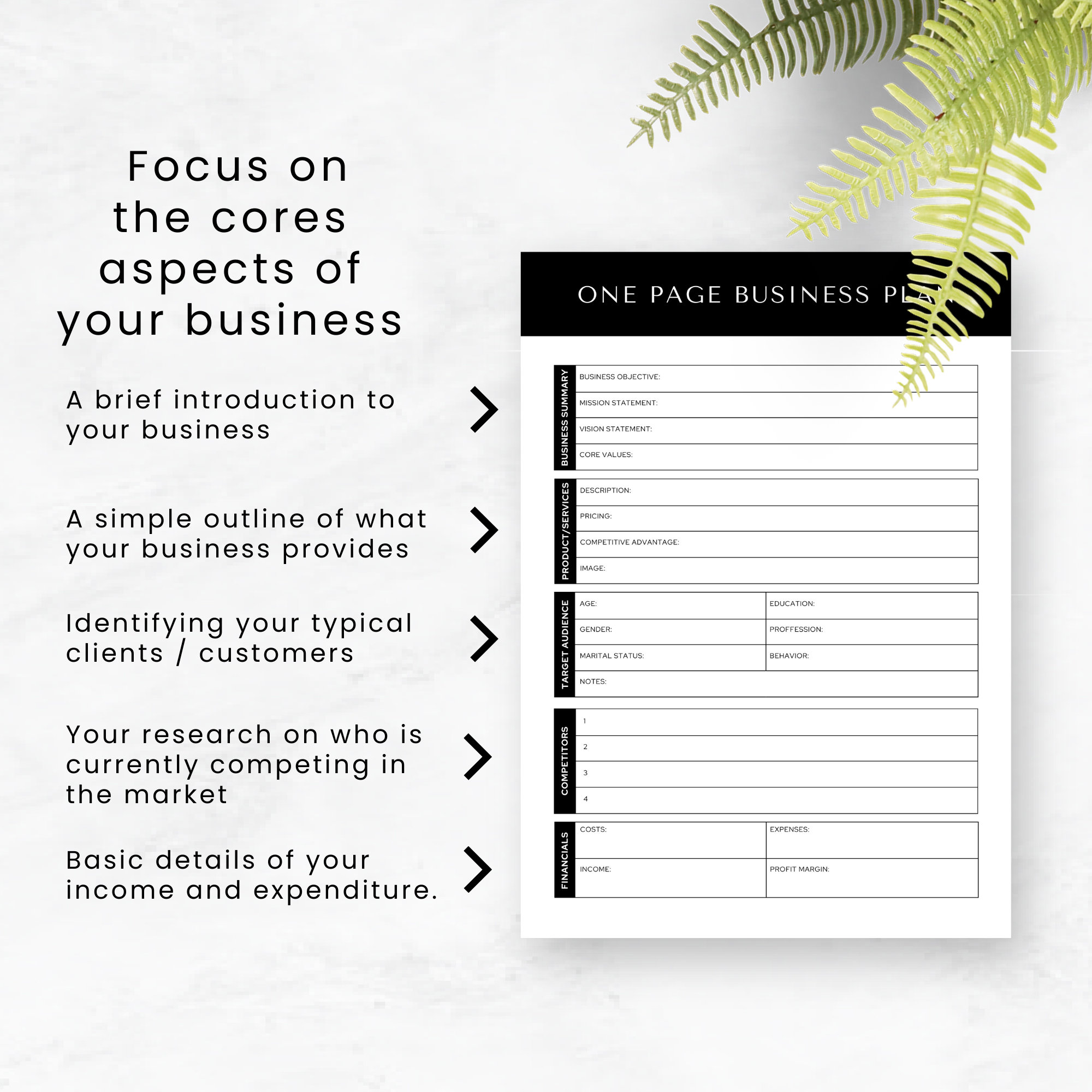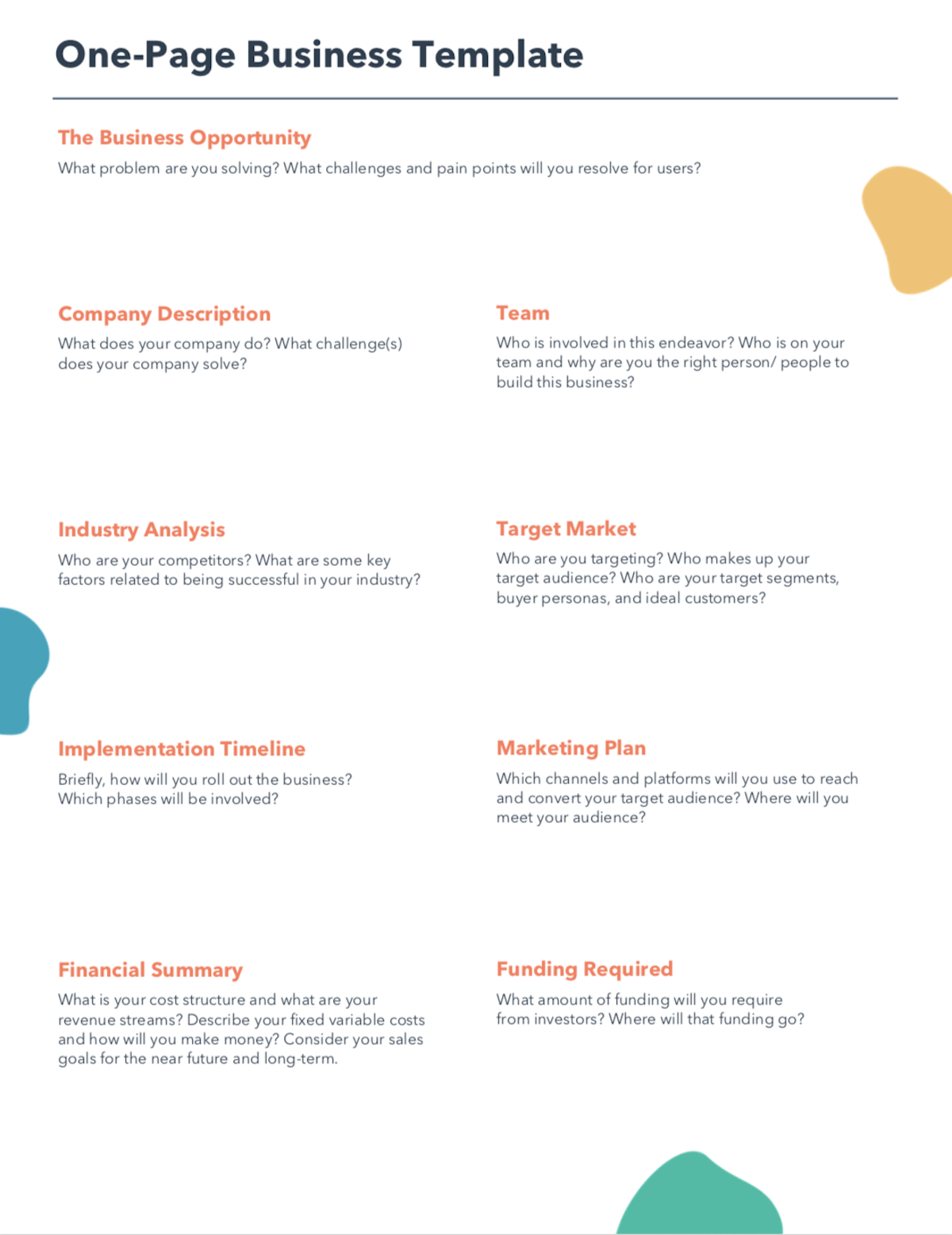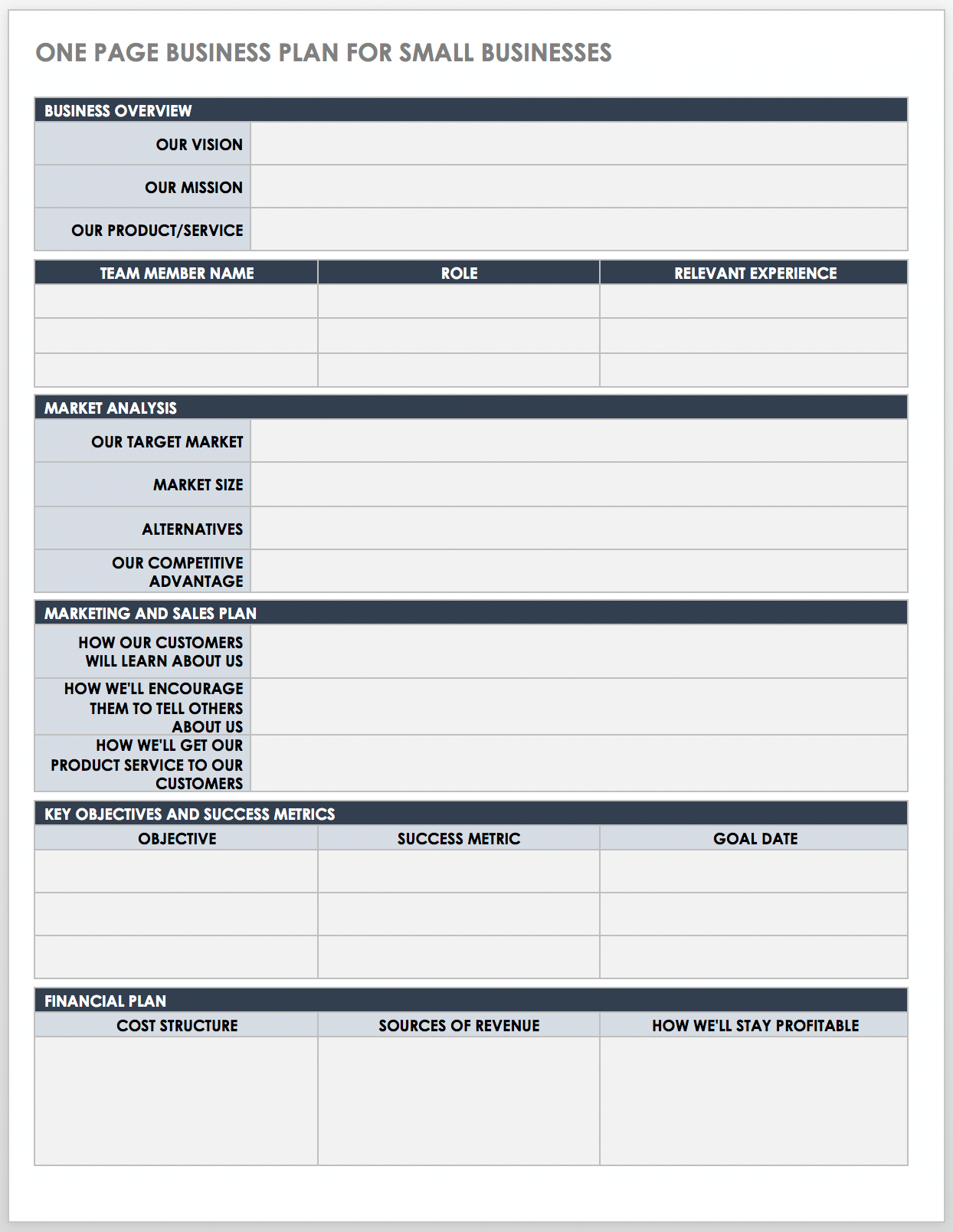
1 Page Business Plan Templates Free are game‑changers for entrepreneurs who need to articulate their vision without drowning in paperwork. By compressing a full business strategy into a single, streamlined document, these templates help you stay focused, attract investors, and keep stakeholders aligned—all while saving hours of drafting time.
Why a One‑Page Plan Beats the Traditional Approach
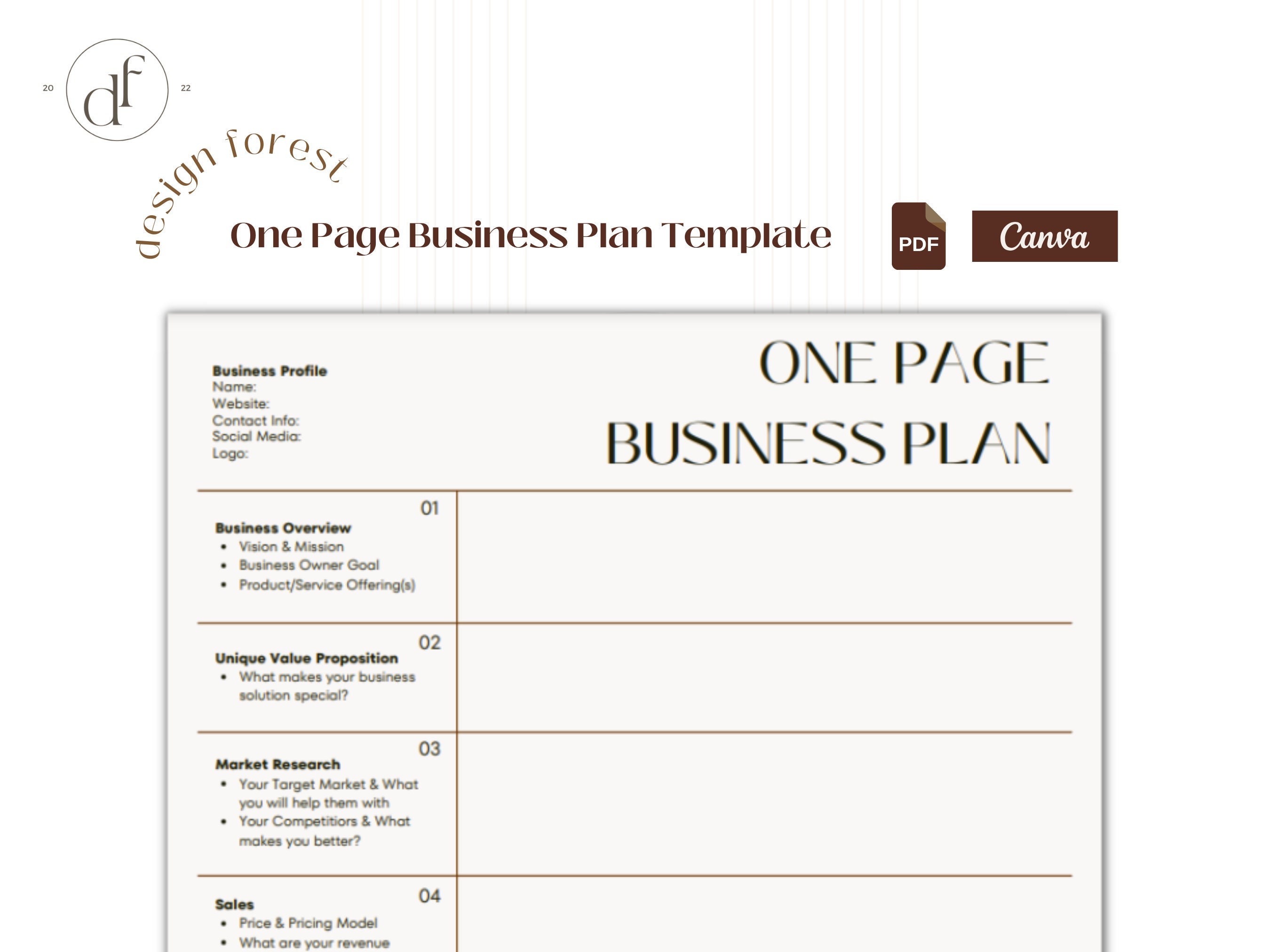
Most founders start their journey by filling out multi‑page business plans, only to abandon them midway because the process becomes too cumbersome. A one‑page plan offers clarity by forcing you to prioritize the most critical elements. The structure forces you to ask hard questions like: What is the core problem? How will I solve it? Who pays? And how fast? The answer becomes a single, concise narrative that can be shared in a meeting, on a pitch deck, or even on LinkedIn.
Key Benefits of a One‑Page Format
- Simplicity – Quick to read, easy to digest, and reduces the risk of missing crucial details.
- Speed – You can produce, iterate, and update in minutes.
- Communication – A single sheet is perfect for pitching to investors or explaining your roadmap to new hires.
- Focus – Forces you to hone in on your value proposition and financial metrics.
Components of the Ideal Template
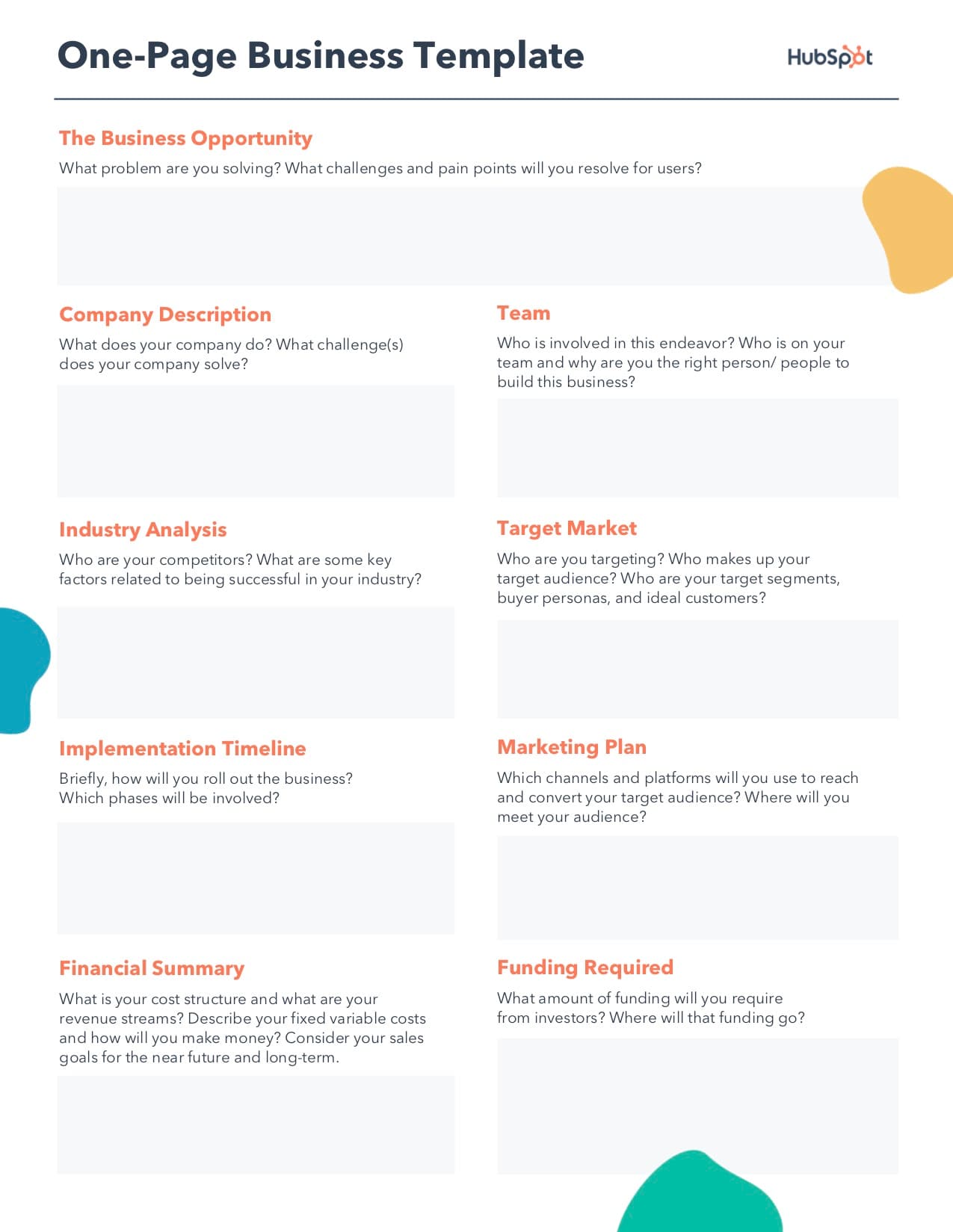
While every business has unique needs, a robust one‑page template covers six foundational blocks. Below, we break each down and provide actionable guidance on how to fill them out.
1. Executive Summary
This section is not a fluff paragraph but a punchy statement that encapsulates your mission. Keep it to three sentences: who you are, what problem you solve, and your unique value proposition.
2. Market Opportunity
Illustrate the size of your target market in dollar terms and show a trend that favors growth. Use a quick chart or a bullet list that mentions TAM (Total Addressable Market), SAM (Serviceable Available Market), and SOM (Serviceable Obtainable Market).
3. Product or Service Offering
Describe the core features or benefits that differentiate your solution. Highlight any proprietary technology, patents, or unique processes that give you a competitive edge.
4. Business Model
Clarify how money flows into your company. Are you selling subscriptions? Using a freemium model? Include key revenue streams and pricing strategy in a simple bullet format.
5. Marketing & Sales Strategy
Outline the channels you’ll use to reach your audience—digital marketing, strategic partnerships, or direct sales. Add a quick timeline or funnel map to show expected customer acquisition costs versus lifetime value.
6. Financial Snapshot
Summarize the three‑year projection of revenue, gross margin, and EBITDA. Keep it high‑level, but attach a small table or line graphic that shows a growth curve.
How to Choose the Right Free Template

With an abundance of free templates online, selecting the one that aligns with your industry and growth stage can feel like a daunting task. Here’s a quick decision matrix:
Industry Alignment
- Tech startups may need a “Solution‑Based” template with a focus on product roadmap.
- Service businesses might favor a “Service Delivery” layout that emphasizes client outcomes.
Template Complexity
- Beginners: Opt for a simple layout with minimal sections.
- Growth‑stage founders: Choose a template that incorporates KPI dashboards.
Format and Customization
- Word or Google Docs templates offer easy editing and collaboration.
- PDF templates are great for quick sharing and maintaining a fixed layout.
- Templates that support embedded charts and visuals help communicate metrics more effectively.
Step‑by‑Step Guide to Crafting Your One‑Page Plan
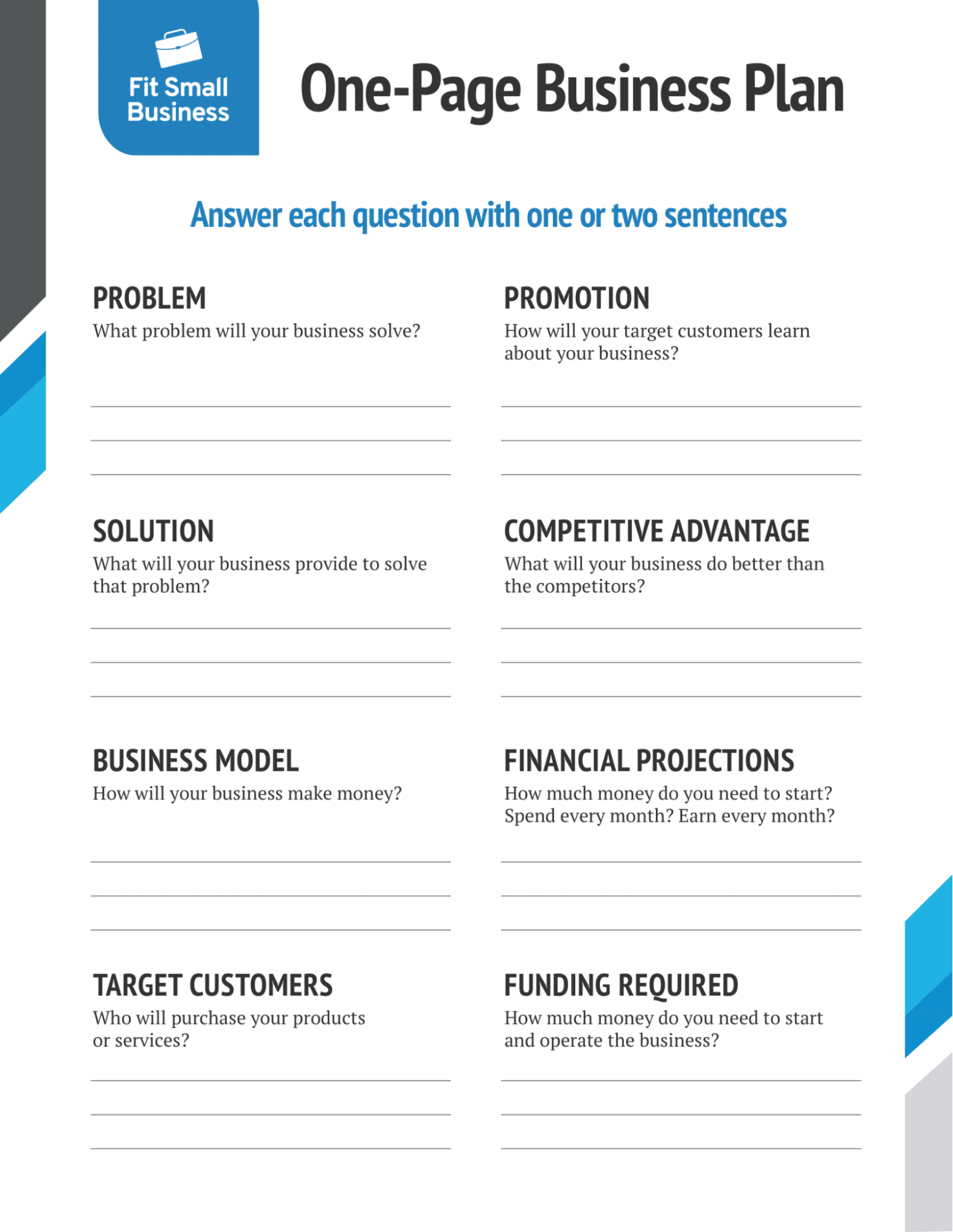
Below is a detailed workflow that takes you from a blank page to a polished business strategy. Each step includes tips from seasoned entrepreneurs.
Step 1: Define Your Vision Statement
Write a one‑sentence vision that reflects the long‑term impact you want to create. For example: “Revolutionize urban commuting through affordable, electric scooters.” Keep this statement bold and at the top of your page.
Step 2: Identify the Core Problem
Pinpoint the pain point that your business solves. Use concrete data—statistical evidence or customer quotes—to substantiate the problem’s significance.
Step 3: Outline Your Solution
Describe the product or service in one sentence and add a bullet point for each key feature. Make sure the solution directly addresses the problem defined earlier.
Step 4: Validate with a One‑Line Market Size
Insert a quick market calculation: “$500M TAM, 10% market share in first 3 years.” This demonstrates opportunity without overwhelming details.
Step 5: Clarify Your Revenue Model
Use a concise table with columns for revenue streams, pricing, and expected volume. Highlight the most lucrative stream to give stakeholders immediate insight.
Step 6: Map the Go‑to‑Market Plan
Create a funnel diagram or bullet list that shows your customer acquisition strategy: channels, lead magnets, and sales cycles. Emphasize low‑cost, high‑impact tactics for early stages.
Step 7: Draft Financial Projections
Present a three‑year snapshot of revenue, costs, and cash flow. Include a line graphic if the template allows. Keep assumptions transparent and realistic.
Step 8: Review and Iterate
Share your draft with mentors, peers, or investors to get feedback. A fresh perspective can spot logical gaps or unaligned metrics.
Real‑World Examples That Inspire
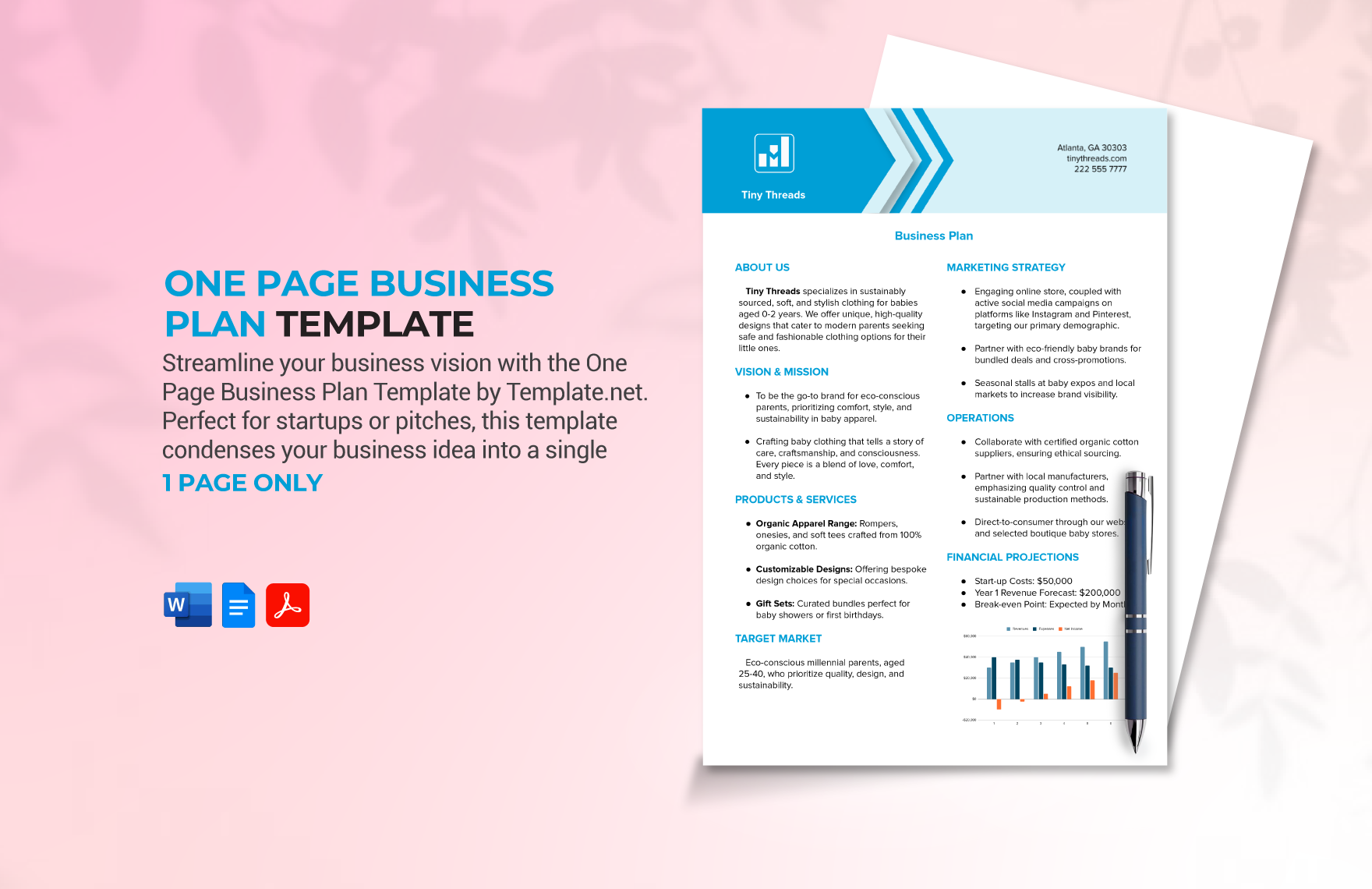
Looking at how successful companies have used a one‑page plan can illuminate the power of this format. Below are three anonymized case studies.
Case Study 1: The SaaS Startup
Our hypothetical SaaS company launched a one‑page plan that highlighted a $1B TAM for small‑business project management tools. Their revenue model focused on monthly subscriptions with a 5% churn rate. Within nine months, they secured a seed round, using the page as a quick reference for potential investors.
Case Study 2: The Health‑Tech Innovator
By placing a patient outcome metric at the core of the page, the health‑tech founder was able to win a $2M angel investment. The page also outlined a partnership strategy with three major hospitals, showing a clear path to market adoption.
Case Study 3: The Local Restaurant
A small restaurant used a one‑page plan to streamline operations. It combined a menu layout with a cost‑of‑goods chart and a marketing schedule. The result was a 15% profit margin increase over the first quarter after implementing the plan.
Common Mistakes to Avoid
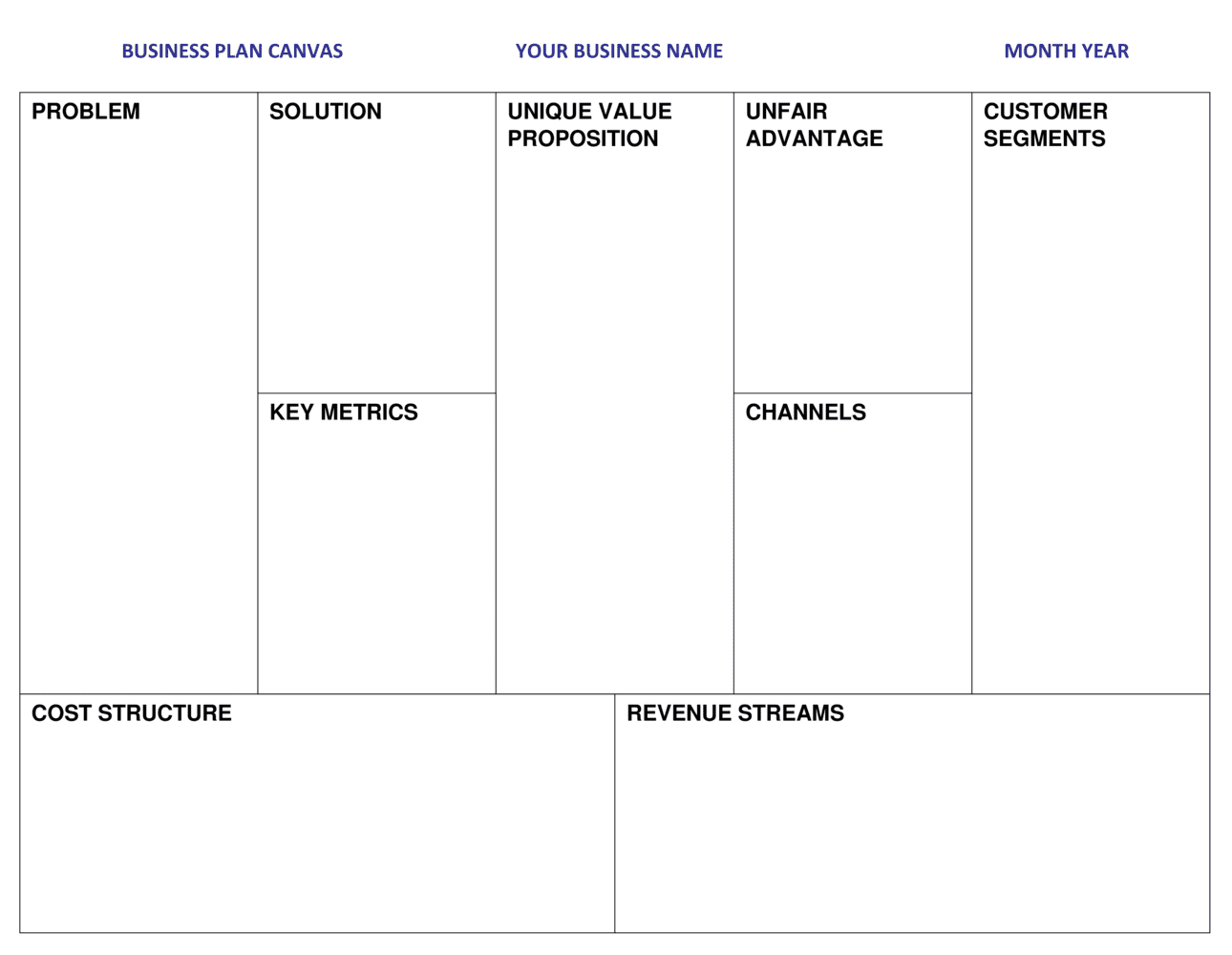
Even with a free template, pitfalls remain. Here’s what to watch out for:
Overloading with Data
While metrics are essential, stuffing the page with detailed numbers can clutter the narrative. Keep numbers high‑level and reserve detailed reports for supplemental documents.
Ignoring the Audience
The template should be tailored to your audience—whether it’s an investor, a bank, or a potential partner. Make sure the language and focus resonate with who will read it.
Failing to Update
Businesses evolve quickly. Treat your one‑page plan as a living document. Review and adjust quarterly to reflect new milestones or market shifts.
Tools and Resources for Enhancing Your Template

Once you’ve chosen a free template, you can elevate it with additional tools that add visual appeal and data precision.
Design Software
- Canva: Drag‑and‑drop templates for a polished look.
- Adobe Express: Create custom icons and charts to reinforce key data points.
Financial Modeling Add‑Ons
- Google Sheets: Build a quick calculator that feeds into the one‑page snapshot.
- Excel: Use built‑in templates for revenue and cost projections.
Collaboration Platforms
- Google Docs: Real‑time editing with comments from team members.
- Notion: Integrate the one‑page plan into a larger workspace with task boards.
How to Present Your One‑Page Plan Effectively
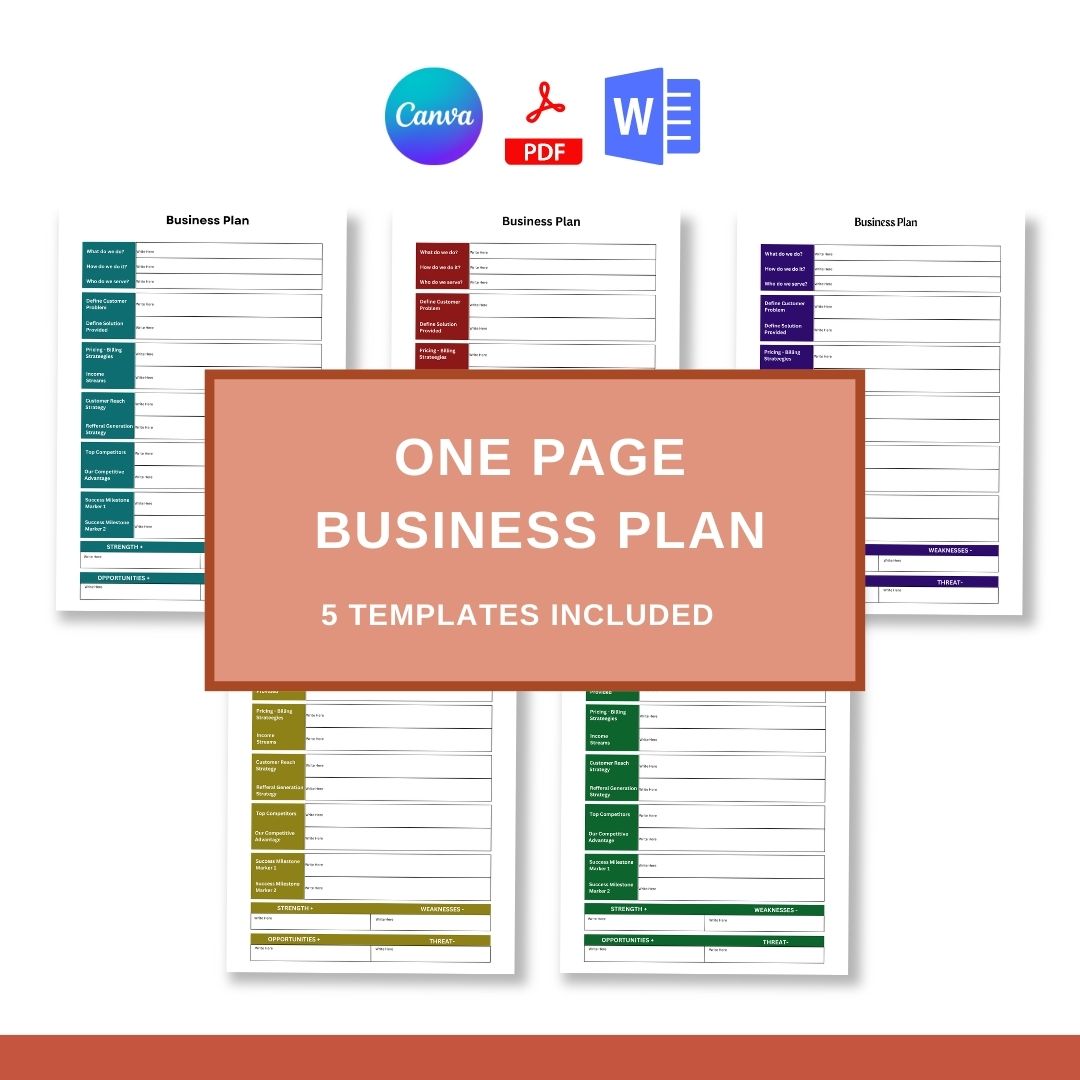
A well‑crafted page is only as good as the presentation it accompanies. Below are proven methods to maximize impact.
Pitch Deck Integration
Embed the one‑page as a slide in a larger deck. This gives investors a quick reference while you dive deeper into specific sections.
Stakeholder Meetings
Print the page as a handout for board meetings. A physical copy reinforces the narrative and keeps everyone on the same page.
Online Portfolios
Upload the PDF to your company website under “About Us” or “Our Vision.” It serves as a quick read for potential customers or partners exploring your site.
Conclusion: A Single Page, Infinite Possibilities
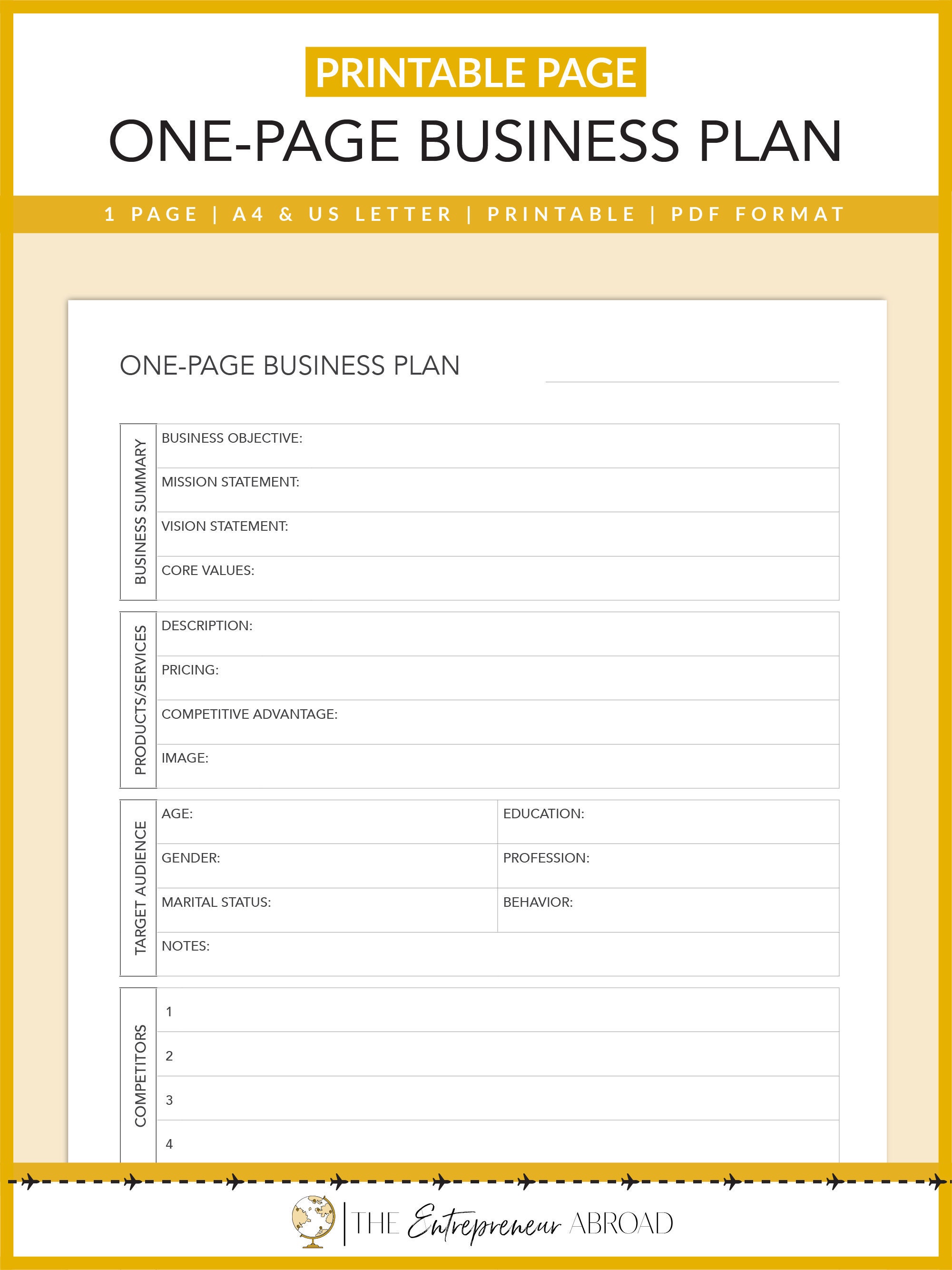
Choosing a 1 Page Business Plan Templates Free is more than a shortcut; it’s a strategic tool that forces clarity, aligns teams, and accelerates fundraising. By focusing on key elements—vision, market, solution, revenue, go‑to‑market, and finances—you create a living document that grows with your business. Whether you’re a solo founder or a growing team, a well‑crafted one‑page plan becomes the backbone of communication, decision‑making, and success. Start today, and let a single page guide your next chapter of growth.